Where to See a Kiwi Near Rotorua
Where can I actually see a kiwi near Rotorua?
Not in the wild during the day — kiwi are nocturnal and rarely seen outside a controlled setting. The National Kiwi Hatchery operates inside Rainbow Springs Nature Park in Rotorua, raising chicks for release under New Zealand's Operation Nest Egg programme, and Rainbow Springs also runs a reversed-light nocturnal house where visitors watch kiwi feed and forage.
Three things called “kiwi”, one bird worth finding
In and around Rotorua, “kiwi” means three different things, and visitors mix them up constantly. There’s the bird — a flightless, nocturnal, chicken-sized species found nowhere else on Earth. There’s the people — New Zealanders call themselves Kiwis, a nickname that has nothing to do with fruit. And there’s kiwifruit, a fuzzy-skinned fruit that actually originated in China and was renamed for marketing reasons in the mid-20th century. If a shore excursion or farm tour has “kiwi” in its name, it’s worth checking which of the three it’s actually about before you book.
This guide is about the bird. Specifically: where near Rotorua you can reliably see one, what the National Kiwi Hatchery does with the eggs it raises, and where the other “kiwi” experiences in the area — a working farm, a bird-of-prey centre, a fruit orchard — fit into a wildlife-focused day. For a broader look at native species in the region, see the guide to wildlife and nature activities.
Why you will not see a wild kiwi during the day
Kiwi are strictly nocturnal. They have poor eyesight, weak wing bones reduced almost to nothing, and a highly developed sense of smell, with nostrils at the tip of the beak rather than the base — the opposite of almost every other bird. All of that is an adaptation to foraging for insects and grubs in leaf litter after dark. During the day kiwi retreat into burrows, hollow logs or dense undergrowth and stay there.
This means a genuinely wild kiwi sighting on a daytime forest walk anywhere in New Zealand is essentially not going to happen, no matter how good the habitat looks. The closest most visitors come to a wild kiwi is hearing its distinctive call on a guided night walk through native forest — a sound, not a sighting. If that’s the experience you want, look at the guided walks through Whirinaki Forest and similar podocarp forest areas rather than a daytime nature trail. For a reliable visual encounter, you need a facility built around reversing that daylight problem.
National Kiwi Hatchery: what the breeding programme actually does
The National Kiwi Hatchery operates inside Rainbow Springs Nature Park on the northern edge of Rotorua. It exists because kiwi eggs and very young chicks are extremely vulnerable to introduced predators, mainly stoats, which kill a large share of chicks before they reach a size where they can defend themselves. The hatchery’s role is to break that vulnerable window.
Eggs are collected from wild nests around the North Island, incubated at the facility, and the chicks are hand-raised until they reach a weight generally considered safe from stoat predation. At that point they are returned to their home forest to continue their life cycle in the wild. This approach, run nationally under the name Operation Nest Egg, is one of the main tools New Zealand uses to keep kiwi populations from being overwhelmed by predators that didn’t exist in the country before human settlement.
Because incubation and hatching happen on a biological schedule, not a tourism one, what you see on any given visit depends on where the current eggs are in the process — an incubator room, a brooder, or juveniles close to release weight. This is one reason opening hours and available viewing change through the year; check directly with the operator for what’s on show before you go, the same way you would for any facility with a live breeding programme rather than a fixed exhibit.
a guided visit to the National Kiwi Hatchery inside Rainbow Springs covers both the hatchery side of the programme and the nocturnal kiwi house on the same site, which is the more reliable way to actually see an adult bird.
Rainbow Springs’ nocturnal kiwi house
Alongside the hatchery, Rainbow Springs runs a kiwi viewing house built specifically to solve the nocturnal problem: the enclosure runs on a reversed light cycle, so it’s kept dark during the site’s daytime opening hours and lit at night when the birds would naturally be asleep. From the kiwi’s perspective, day and night are swapped, which means visitors touring during normal daytime hours see the birds active, foraging and moving around rather than hidden in a burrow.
This is the standard technique used at kiwi houses across New Zealand, and it’s worth understanding before you visit so the low light and the birds’ unhurried, methodical foraging don’t come as a surprise — this isn’t a brightly lit zoo enclosure, and photos without flash (flash photography is generally not permitted, since it stresses nocturnal animals) will be dim. Give your eyes a minute or two to adjust once inside.
Rainbow Springs itself sits close to other Rotorua wildlife and nature stops, and it’s straightforward to pair with a half-day covering Hamurana Springs or a walk through the Redwoods, both a short drive away.
Paradise Valley: check before you plan around it
Paradise Valley is a wildlife park a short drive from Rotorua that has historically featured native species alongside farm animals and other wildlife exhibits, including kiwi. Wildlife park operating status changes more often and less predictably than a geothermal park or a lookout does — parks reduce hours, change focus, or close for periods without much notice reaching general travel content. If you’re building a wildlife-focused day around it specifically, confirm current opening status and what’s actually on show directly with the operator before you commit time to the drive, rather than assuming it offers the same thing it has in the past.
Wingspan: birds of prey, not kiwi
Wingspan National Bird of Prey Centre, also in Rotorua, is easy to lump in with kiwi attractions because it’s another native-bird conservation facility, but its focus is different: birds of prey, most notably the kārearea, the New Zealand falcon. Wingspan breeds and rehabilitates raptors and runs flight demonstrations rather than a nocturnal kiwi house. It’s worth adding to a wildlife day if birds of prey specifically interest you — the kārearea is New Zealand’s only remaining native falcon species and is uncommon to see anywhere outside a facility like this — but don’t expect kiwi there.
Hearing kiwi in the wild, not seeing them
If a captive viewing house feels too controlled and you’d rather experience kiwi in genuine habitat, the realistic version of that is a guided night walk in native forest where kiwi calls are sometimes audible, particularly around dusk and in the hours after dark. This is a listening experience, not a sighting — guides generally make clear that the odds of an actual visual encounter with a wild kiwi are low even on a well-run night walk, precisely because of how effectively the birds avoid detection.
a guided walk through Whirinaki’s native podocarp forest covers this kind of forest experience, with a local guide explaining what to listen for and what the forest’s other native species are, beyond kiwi specifically. For the broader native forest picture and why kiwi habitat matters ecologically, the guide on New Zealand’s native forest is useful background.
One practical note that applies to any forest walk here, day or night: New Zealand’s biosecurity rules are strict for good reason, and native species like kiwi are part of that reason. Clean mud off boots and gear before and after a walk, particularly if you’ve been on multiple tracks — introduced pathogens carried in soil can affect native wildlife, and many guided forest experiences will ask you to use a cleaning station on site.
The Agrodome: a working farm, not a kiwi exhibit
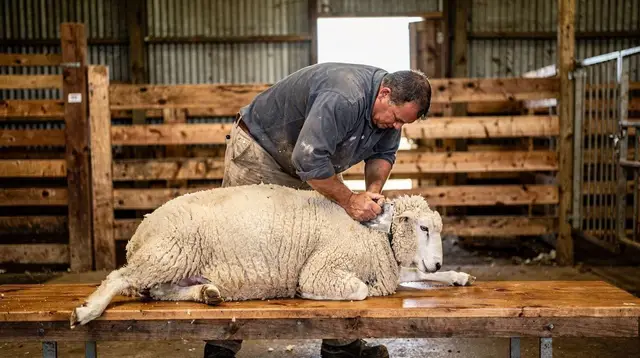
The word “kiwi” shows up again at the Agrodome, just outside Rotorua, but here it refers to the people, not the bird — an “authentic Kiwi farm experience” means New Zealand’s sheep and farming culture, with shearing demonstrations, sheepdog work and a working farm setting. It’s a genuinely different kind of experience from a wildlife centre and worth understanding as such before booking, especially if you were specifically hoping for a bird encounter.
a farm show and working-farm visit at the Agrodome gives a sense of New Zealand’s pastoral side, which pairs naturally with a kiwi-focused morning at Rainbow Springs if you want a full day split between native wildlife and farm culture. For families weighing which of Rotorua’s activities suit which ages, the Rotorua with kids guide covers where a farm visit and a kiwi house both tend to land well.
Kiwifruit: the third meaning, and where to see it
The third “kiwi” in Rotorua-area tourism is the fruit, grown extensively around Tauranga and the wider Bay of Plenty, New Zealand’s main kiwifruit-growing region. A shore excursion built around kiwifruit orchards has nothing to do with the bird beyond sharing a name, but it’s a legitimate half-day if you’re a cruise passenger docking in Tauranga and curious about the region’s agriculture.
a Tauranga shore excursion covering kiwifruit orchards and local sights is aimed at that audience specifically. If you’re staying in Rotorua rather than arriving by cruise ship, this is a lower priority than the wildlife options above, but it’s worth knowing it exists so you don’t confuse it with a kiwi bird experience when searching.
Extending a wildlife day beyond Rotorua
If a day built around the National Kiwi Hatchery and Rainbow Springs leaves you wanting more native wildlife, two directions from Rotorua add different species rather than repeating kiwi. About two hours south-west, Waitomo pairs its glowworm caves — home to Arachnocampa luminosa, a bioluminescent, carnivorous fly larva found only in New Zealand — with its own kiwi-focused forest experiences, an efficient way to combine two very different native species in one trip. The guide to Waitomo’s glowworm cave tours and the explainer on what glowworms actually are cover that side in detail.
an e-bike ride through Waitomo linking the caves area with a kiwi sanctuary stop is built specifically around that combination, useful if you’re already planning a Rotorua to Waitomo day trip and want the wildlife side covered in one outing rather than two separate bookings.
North instead of south-west, Tauranga and Mount Maunganui add marine wildlife to the list — dolphin pods are regularly present in the Bay of Plenty’s coastal waters, a different kind of native wildlife encounter entirely from anything Rotorua’s inland lakes and forests offer.
a dolphin-watching cruise departing from Tauranga covers that option well if you’re already spending a day at Mount Maunganui or passing through as part of a Rotorua to Tauranga day trip. The dedicated dolphin-watching guide has more on when sightings are most likely.
Rotorua’s own lakes have wildlife too
It’s worth mentioning one more native species that’s easy to overlook: trout. Rotorua and Taupō’s lakes are heavily stocked with rainbow and brown trout, and by law, trout cannot be sold commercially anywhere in New Zealand — no restaurant can serve trout it hasn’t been personally handed by the angler who caught it. It’s not central wildlife viewing in the way a kiwi house is, but it’s a distinctive piece of the region’s relationship with its lakes, covered in more detail in the guide to trout fishing around Rotorua and Taupō and the explainer on why trout can’t be sold.
Building a kiwi-focused day around Rotorua
A half-day at Rainbow Springs — hatchery viewing plus the nocturnal kiwi house — covers the core of it and fits easily alongside other Rotorua activities without eating into a full day. If you want to build a longer wildlife-and-nature theme into your itinerary, the Rotorua with kids, 3 days itinerary is a useful template even for travellers without children, since it already balances a kiwi stop with lower-intensity nature activities across several days. For a sense of how a wildlife morning fits against Rotorua’s geothermal and cultural sites in a single trip, see the general planning guide on how many days to spend in Rotorua, and for a blunt read on what’s worth prioritising overall, the Rotorua honest verdict is a useful cross-check before you commit a full day to any one theme.
Whichever combination you choose, keep the core distinction straight: kiwi the bird means a controlled, usually nocturnal-house setting near Rotorua; kiwi the people is just what New Zealanders call themselves; and kiwifruit is an unrelated crop that happens to share the name. Sorting those out before you book saves a wasted half-day on the wrong “kiwi” entirely.
Kiwi and kiwi-adjacent experiences near Rotorua: quick comparison
| Where | What it actually is | Kiwi bird involved? |
|---|---|---|
| National Kiwi Hatchery, Rainbow Springs | Egg incubation and chick-rearing programme | Yes — the main option |
| Rainbow Springs nocturnal house | Reversed-light viewing enclosure | Yes |
| Paradise Valley | Wildlife park, status varies — confirm before visiting | Historically, check current status |
| Wingspan | Native bird-of-prey conservation centre | No — falcons, not kiwi |
| Whirinaki guided night walk | Native forest walk, calls possible | Sometimes heard, rarely seen |
| Agrodome | Working sheep and farm show | No — “Kiwi” means New Zealander |
| Tauranga kiwifruit excursion | Orchard and shore excursion | No — the fruit only |
| Waitomo caves-to-kiwis e-bike | Caves plus kiwi sanctuary combo | Yes |
Frequently asked questions about kiwi and wildlife around Rotorua
Where can I actually see a kiwi near Rotorua?
Rainbow Springs Nature Park, just north of central Rotorua, is the reliable option — it houses both the National Kiwi Hatchery and a nocturnal viewing enclosure built to show active birds during normal daytime opening hours.
Why can’t I see a wild kiwi during the day?
Kiwi are strictly nocturnal, with poor eyesight and a strong sense of smell adapted to foraging in darkness. During daylight they stay hidden in burrows or dense undergrowth, so no daytime forest walk anywhere in New Zealand will produce a sighting.
What does the National Kiwi Hatchery actually do?
It incubates wild-collected kiwi eggs and hand-rears the chicks past the size where introduced predators, mainly stoats, pose the greatest threat, then returns them to their home forest — a method known nationally as Operation Nest Egg.
Is Paradise Valley still worth including in a Rotorua wildlife day?
Wildlife park operating status changes more often than geothermal parks or lookouts do, so check directly with the operator before building a visit around it rather than assuming it offers the same thing it has in the past.
What is Wingspan, and does it have kiwi?
Wingspan is a Rotorua-based conservation centre focused on native birds of prey, particularly the kārearea, not kiwi. It’s worth adding to a wildlife day only if birds of prey specifically interest you.
Does kiwifruit have anything to do with the kiwi bird?
Only the name. Kiwifruit was renamed from “Chinese gooseberry” as a marketing move tied to the kiwi bird and New Zealanders’ own nickname, but the fruit itself originates in China with no biological connection to the bird.
What should I know about biosecurity before visiting a kiwi habitat or centre?
Clean footwear and gear before and after any native forest walk, since mud can carry pathogens harmful to kiwi and other native species. Use a boot-cleaning station where one is provided, and do it anyway where none is.
Are there other wildlife experiences worth combining with a kiwi visit near Rotorua?
The Bay of Plenty coast, about an hour north, adds dolphin-watching off Tauranga and Mount Maunganui, and Waitomo, about two hours south-west, pairs its glowworm caves with kiwi-focused forest experiences of its own.
Wildlife & nature tours on GetYourGuide
Verified deep-linked GetYourGuide tours. Book through these links and we earn a small commission at no cost to you.
Photos show the destination, not the operator's own images.