Agrodome Farm Show: Is It Worth It?
Is the Agrodome farm show in Rotorua worth doing?
It works well for families with young children, first-time visitors who have never watched a shearer or a sheepdog work, and anyone with a tight itinerary who wants a hands-on animal encounter close to central Rotorua. Travellers who grew up around farms, are stretched for time in a geothermal- and Māori-culture-heavy itinerary, or want unscripted wildlife rather than a stage show generally find the hour better spent elsewhere.
A Sheep Show With a Fixed Script, and Who That Suits
Rotorua sits in a region built on volcanoes, geysers and living Māori culture, so a farm show can feel like an odd line item on a shortlist that also includes Whakarewarewa and Wai-O-Tapu. But the Agrodome, just north of central Rotorua near Ngongotahā, has been running its sheep-and-shearing format for decades, and it fills a specific gap none of the geothermal parks fill: a seated, indoor, weather-proof show built around animals you can touch, timed to run on a schedule rather than at a lake’s or a geyser’s own pace.
That predictability is the whole point, and also the reason it does not suit everyone. This guide sets out what the show and the accompanying farm tour actually involve, who tends to get real value from an hour there, and who is better off putting that hour into something else in a region that has no shortage of other claims on your time.
What Actually Happens During the Show
The format has stayed fairly consistent over the years. A presenter brings out a sequence of different sheep breeds onto a small indoor stage, one at a time, explaining what each was bred for — wool type, meat, or a specific historical use on a New Zealand farm. It is a genuinely useful five minutes if you have never thought about why a country with under five million people still runs millions of sheep, and it puts faces (or fleeces) to a fact most visitors know only as a statistic.
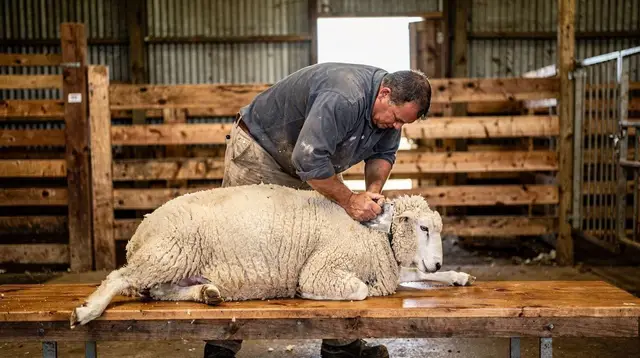
The centrepiece is a live shearing demonstration. A shearer works a full fleece off a sheep in a few minutes, and the presenter narrates the process — where the blade goes, how the fleece comes off in one piece, what happens to the wool afterwards. It is the same skill you would otherwise only see, briefly and without commentary, at a working farm that is not set up for visitors at all.
A sheepdog demonstration usually follows, showing how a single dog moves and holds a small mob of sheep on command. Then comes the part most people actually remember: a chance to bottle-feed a lamb, hold a chick, or handle other young animals in a nursery area, depending on the season and what is on the property when you visit. Outside the show itself, an optional tractor-drawn tour takes visitors around the wider farm to see grazing animals, deer, alpacas or other stock kept on site, at a walking-pace remove rather than up close.
None of this is a wildlife encounter in the sense that a kiwi hatchery visit is — everything here is domesticated, tame, and used to visitors. That is a feature for some travellers and a drawback for others, which is really the fork this whole decision comes down to.
Who the Agrodome Works For
Families with children roughly two to ten years old. This is the single clearest match. The show is seated, air-conditioned, and short enough to hold a young attention span, and it ends with something a child can physically do — feed a lamb, hold a chick — rather than something they only watch from a distance. Compare that with a geothermal park, where the instruction for small children is usually “stay on the path and do not touch anything.” For a Rotorua trip built around kids, an hour at the Agrodome slots naturally alongside a day that also includes the Redwoods Treewalk or a lake cruise; it appears for a reason in itineraries such as a three-day family trip.
First-time visitors to a working farm. If you have never watched a shearer work, or never seen more than one or two sheep breeds side by side, the show earns its hour. New Zealand’s identity is bound up with sheep farming in a way that is easy to nod along to as a fact and much clearer once you have seen the difference between a wool breed and a meat breed standing next to each other.
Travellers on a wet-weather day. Rotorua gets rain in every month of the year, and the Agrodome’s show runs indoors regardless of what the sky is doing outside, which is not true of most of the region’s outdoor drawcards.
Anyone genuinely short on time who still wants an animal encounter. If your Rotorua stop is a single day carved out of a wider North Island route and you want one hands-on wildlife-adjacent activity without detouring to Tauranga or committing to a half-day tour, this is one of the more time-efficient options near the lakefront.
a combined farm show and tractor tour at the Agrodome covers the show itself plus the wider grounds, if you decide the hands-on format suits your group.
Who Should Skip It
Anyone who grew up around farms, or has already done a similar show elsewhere. New Zealand and Australia both run several versions of this format, and once you have seen one shearing demonstration and one sheepdog display, a second rarely adds much. If that describes you, the hour is close to a repeat rather than a new experience.
Travellers prioritising a Māori-culture-heavy itinerary. Rotorua’s stronger claim on most visitors’ time is the living Te Arawa culture at places like Ōhinemutu or a cultural evening built around a hāngī. A farm show sits well alongside those but does not substitute for them, and squeezing it into a schedule that is already tight on cultural or geothermal time means something else gets cut.
Anyone who wants unscripted nature rather than a stage format. The Agrodome is a presentation with a running order, not an open farm you wander at your own pace. If what you actually want is to watch native wildlife behave naturally, the nocturnal viewing rooms at a kiwi hatchery or a walk through native bush will suit you better than a domesticated-animal stage show.
Visitors on a genuinely tight budget or schedule. Rotorua has a long list of free and low-cost things to do — Kuirau Park, the Redwoods walking tracks, the lakefront — and a ticketed hour at the Agrodome competes directly with those for both money and time. If you are travelling on a budget, it is worth weighing this against a free geothermal walk that costs nothing but time.
Anyone who has, or plans to have, a farm stay elsewhere in New Zealand. If a later stop on your trip includes a homestay or working farm, you will see shearing, sheepdogs and lambs in a more organic setting there, and the Agrodome becomes redundant rather than additive.
Farm Show vs. Other Rotorua Wildlife Options
The Agrodome is one of several ways to spend an hour or two on animals in the wider Rotorua area, and each one delivers something different.
| Option | What you actually get | Best suited to |
|---|---|---|
| Agrodome farm show | Scripted show: sheep breeds, live shearing, sheepdog demo, bottle-feeding | Families, first-timers, wet days, tight schedules |
| Agrodome + farm tour | Show plus a tractor ride around wider grazing land | Groups wanting a longer, more varied farm visit |
| Kiwi hatchery encounter | Native, nocturnal bird in low-light viewing rooms, no handling | Anyone prioritising native New Zealand wildlife |
| Te Puia | Geothermal features plus Māori arts and a cultural show | Combining culture and geology in one stop |
| Tauranga dolphin trip | Half-day boat trip with a chance of wild dolphin sightings | Travellers with a full day to spend in the Bay of Plenty |
None of these are mutually exclusive, but stacking more than two animal- or culture-focused stops into one day tends to blur them together rather than let each one land.
Bottle-Feeding, Petting, and What “Hands-On” Really Means
The bottle-feeding element is worth being specific about, since it is usually the deciding factor for families. Young lambs are seasonal — they are most reliably available in the New Zealand spring, which runs September through November, though operators typically keep some young animals on hand across the year for visitor interaction. If bottle-feeding a lamb specifically is the reason you are considering the Agrodome, it is worth checking with the operator what is currently on site rather than assuming it will match a photo you saw online.
Outside the lamb pen, the animal nursery area usually holds a rotating mix of chicks, alpacas or other young stock that children can approach and handle under supervision. This is genuinely different from a farm tour in a tractor-trailer, where animals are viewed from a moving vehicle at a short distance — pleasant, but not the same hands-on element that draws most families in the first place. If touching and feeding animals is the goal, prioritise the show-and-nursery combination over the tractor tour alone; if you mainly want to see a working farm’s scale and layout, the tour delivers that better than the show does.
Timing It Into a Rotorua Day
The Agrodome’s location north of the city near Ngongotahā makes it easy to combine with a handful of other stops without much backtracking. Hamurana Springs sits nearby on the same side of Lake Rotorua, and a loop that takes in both plus a lakefront stop is a reasonable half-day without excessive driving. If you are staying in Rotorua without a rental car, check what shuttle or tour transport options serve this side of the lake, since it sits further from the centre than Whakarewarewa or the Government Gardens.
For anyone building a multi-day itinerary, the Agrodome fits most naturally as a half-day slot on an arrival or departure day, or as the wet-weather backup in a plan that otherwise leans on outdoor geothermal parks. It is a weaker fit as the single highlight of a short, geothermal-and-culture-focused stay, where an hour spent here is an hour not spent at Te Puia, Wai-O-Tapu, or a lakeside walk.
If your trip also includes a day trip toward Tauranga or the wider Bay of Plenty, note that the region’s other well-known animal encounter — swimming with wild dolphins — is a different kind of experience entirely: a half-day boat trip with no guaranteed sighting, rather than a scheduled farm presentation. A trip built around a dolphin swim, snorkel and barbecue day trip from Tauranga is a full day commitment and not something to combine with the Agrodome on the same date.
Comparing It to the Kiwi Hatchery and Te Puia
Because these three attractions all get grouped loosely under “Rotorua wildlife and culture,” it is worth being clear about how little they actually overlap.
The National Kiwi Hatchery is built around a single native, nocturnal, flightless bird, viewed through glass in low-light rooms designed to mimic night conditions — there is no handling, no show, and the pace is slow and quiet by design. a guided visit to the National Kiwi Hatchery suits travellers who specifically want to understand New Zealand’s kiwi conservation work, which is a different motivation from wanting to bottle-feed a lamb.
Te Puia combines geothermal features — including Pōhutu geyser — with a cultural performance and a look at Māori carving and weaving traditions. a guided Te Puia visit that includes a Māori cultural show covers ground the Agrodome does not touch at all: it is a geology-and-culture stop, not a farm one.
Put together, a reasonable rule of thumb is to pick one wildlife-or-farm activity and one culture-or-geothermal activity per day rather than stacking all three types into a single itinerary slot. Treat the Agrodome, the Kiwi Hatchery and Te Puia as three separate decisions rather than a checklist to clear in one visit.
Practical Notes
The Agrodome sits close enough to central Rotorua for a half-day round trip by rental car, and it is a reasonable stop to pair with the Rotorua Museum and Government Gardens or a wider day trip that takes in the north side of the lake. Showtimes, combined-ticket structures and which young animals are on site all vary by season, so confirm current details directly with the operator rather than relying on a fixed schedule from any guide, including this one.
As with any working farm in New Zealand, basic biosecurity courtesy applies: if you plan to walk on to another farm, track, or reserve the same day, clean footwear between stops is good practice given how seriously the country treats biosecurity generally.
Frequently Asked Questions About the Agrodome Farm Show
What actually happens at the Agrodome farm show?
A presenter brings out several sheep breeds one at a time on a small indoor stage, talks through their wool and role on a New Zealand farm, then shears one live. A sheepdog demonstration and a chance to bottle-feed a lamb or hold a chick usually follow, depending on the season and what animals are on site that day.
How long does the Agrodome show take?
Budget the better part of an hour for the presentation itself, plus extra time before or after if you add the tractor-drawn farm tour or the animal nursery. Check current showtimes and combined-ticket options directly with the operator, since schedules shift by season.
Is the Agrodome good for toddlers and young children?
Yes, it is one of the more reliable options in the region for children under about eight: the show is seated, indoors, short enough for a young attention span, and ends with an activity they can physically do rather than just watch.
Can you do the farm tour without the show, or the other way round?
Most visits are sold as a combined ticket covering both the show and the tractor-trailer tour of the wider farm, though options vary by season and operator. If you only want one element, ask before booking rather than assuming.
Is the Agrodome close to central Rotorua?
It sits on the northern side of Rotorua near Ngongotahā, a short drive from the lakefront and easily combined with a stop at Hamurana Springs or a loop around Lake Rotorua on the same outing.
Does the Agrodome show sheep breeds you would not otherwise see?
It is one of the few places in the Rotorua area set up specifically to line up multiple sheep breeds side by side and explain what each one is bred for, which is not something a drive-past farm paddock shows you.
Is it worth doing alongside Te Puia or the Kiwi Hatchery?
The three cover different ground, so overlap is minimal: Te Puia pairs geothermal features with Māori arts, the Kiwi Hatchery is about a single nocturnal native bird in near-dark viewing rooms, and the Agrodome is a farming show. Fitting in more than two of these in one day usually feels rushed rather than efficient.
Wildlife & nature tours on GetYourGuide
Verified deep-linked GetYourGuide tours. Book through these links and we earn a small commission at no cost to you.
Photos show the destination, not the operator's own images.